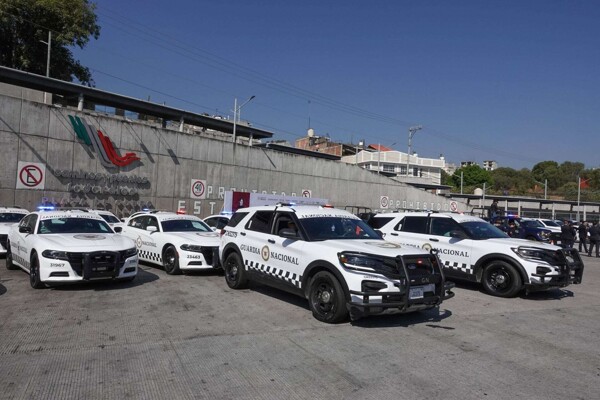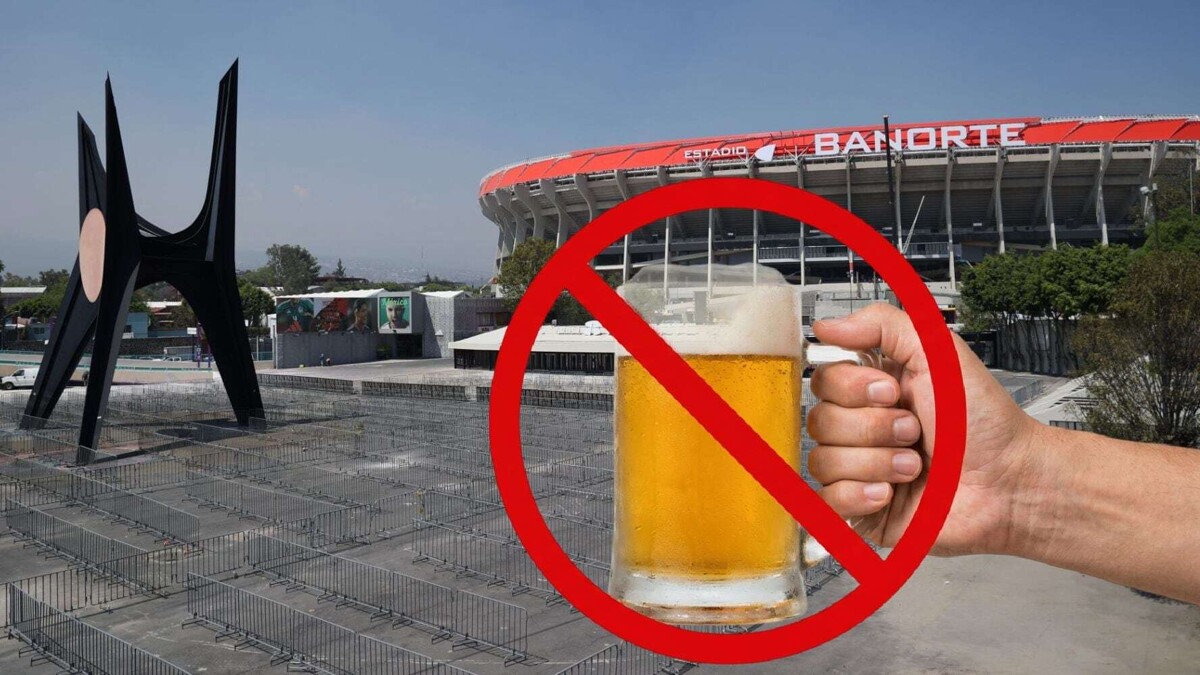
Mexico City is stepping up security for the Mexico vs. Portugal match. The Institute of Administrative Verification (INVEA) has announced a special operation that bans the sale of alcohol in open containers and reinforces surveillance of businesses to prevent irregularities during the event. The operation will run from Friday, March 27, and one day after the match in the Coyoacán borough, where the Banorte Stadium is located. Authorities emphasized that the main focus is preventive, but warned of consequences for non-compliance. “The operation has a primary focus on raising awareness among business owners,” the agency stated. The Citizen Security Secretariat will deploy 10,835 officers to secure the event, with the support of federal forces. Inside the stadium, fans can also purchase six-packs of beer for approximately 600 pesos. Food prices at the Banorte Stadium are as follows: Pizza: 130 pesos, Potatoes or popcorn: 120 pesos, Tacos (various): between 150 and 230 pesos, Hot dog: up to 200 pesos. The renovated Banorte Stadium regulations maintain the prohibition on bringing in food and drinks, so consumption is limited to what is available inside the venue. The sale of alcohol around the Banorte Stadium will be strictly monitored during the Mexico vs. Portugal match. The operation includes: 472 official vehicles and 247 patrol motorcycles, 16 tow trucks and four ambulances, two drones and a helicopter from the Condor squadron, and over 1,800 traffic agents for road closures. Authorities will also assign more than 2,000 auxiliary police inside the stadium and reinforce access points to ensure a smooth flow of attendees. Clara Brugada described the match as a “prelude to the World Cup” and assured that the city has the logistical capacity to receive fans. The capital's government, led by Clara Brugada, called for compliance with regulations.